Forestry
Last modified: 12th August 2019

Forestry Articles
Alaska includes over 126 million acres of forests. The majority (90%) of this acreage is part of the circumpolar boreal forests ecosystem, the largest intact terrestrial biome in the world. These fire-dependant sub-arctic boreal forests of the interior thrive on the extreme summer-to-winter oscillations in temperature and daylight.
Further south, the dense temperate rainforests of southern coastal Alaska form a separate biome, hosting massive trees and complex ecosystems. While comprising only 10% of Alaska’s forest acreage, these cool rainforests host both the majority of Alaska’s marketable timber, and much of the world’s remaining temperate rainforest old growth. One, the Tongass National Forest, is the largest temperate rainforest in the world.
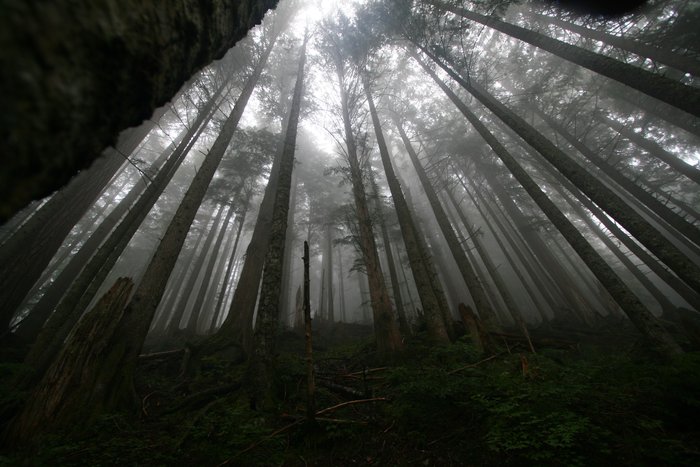
Climate change, invasive species, and pest infestation are all major challenges facing the state’s forests. Alaska’s forests are considered to be very sensitive to climate change, the effects of which have already been observed. The U.S. Forest Service has identified these three issues as its top concerns in Alaska.
All told, less than one-third of Alaska is forested. The remaining two-thirds of the state is dominated by tundra, scrub, muskeg, swamp, snow, rock, and ice.
Forests as Part of Alaskan Life
More than three-quarters of Alaskans live in or near forests. Many Alaskans living subsistence lifestyles depend on the forests for part of their basic needs for food, fuel and shelter. Forests provide economic and ecosystem benefits to all of Alaska, such as spawning habitat for salmon. Forests are also an important economic resource for a number of communities associated with the commercial timber harvest. However, the timber industry in Alaska has been in decline for over 20 years, and several mills have recently closed.
Alaska’s forests provide for subsistence hunting and lifestyles, regulate water quality (including for Alaska’s immense anadromous salmon fisheries), and provide wildlife habitat. Although the global significance of Alaska’s timber is minor, the state’s timberland provides materials for subsistence and local construction, and Alaska timber is exported in limited quantities. Economically, forest management, wildland firefighting, and tourism are all major industrial contributions to Alaska with close ties to the state’s forestland.
Created: Jan. 19, 2018