
- Pulverized coal combustion:
- Integrated coal gasification combined cycle (IGCC)
- Fluidized-bed combustion (FBC)
Coal can be used in a wide variety of ways, ranging from direct burning to produce heat and/or steam to newer methods of coal gasification and liquefaction (including coal-to-liquids). The following is a summary of coal combustion methods relevant to coal-fired power plants or proposed projects in Alaska.
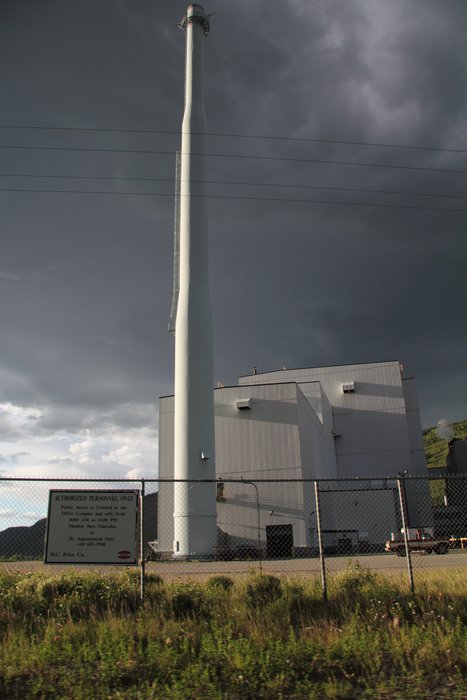
Pulverized coal combustion:
This is the standard coal combustion method throughout much of the world and the one utilized by all the coal-fired power plants in Alaska. In this method the coal is ground to a fine powder and then ignited in a combustion chamber. The resulting energy is used to generate steam which is used to turn large turbines and generate electricity. In many plants the steam is also used directly for heating, this is called “co-generation”. The direct combustion of pulverized coal results in a large amount of solid wastes and gaseous emissions (including sulfur dioxide, nitrous oxides, and mercury) which then need to be filtered out and disposed of.
Research in being conducted in a number of countries on a more efficient variation of this technology called “supercritical (SC)” or “ultra supercritical (USC)” pulverized coal combustion. These plants work at higher temperatures and pressures than conventional coal plants and can boost the efficiency of a plant from the existing average of 32% to almost 50%, thereby reducing the amount of coal used and pollutants produced per Mw of power generated.
Integrated coal gasification combined cycle (IGCC)
Integrated coal gasification combined cycle (IGCC) is a popular new technology that first gasifies the coal and then removes impurities from the gas before combustion. This can result in a significant reduction of gaseous pollutants such as sulfur dioxide and also allows for the combustion of “dirtier” coal and an increase in efficiency over the traditional method. An additional attraction of this technology is the fact that it is more compatible with carbon capture and sequestration (CCS) than traditional methods. Finally, IGCC has potential to be used for the generation of electricity and coal-to-liquids at the same facility. IGCC is the coal combustion method proposed for several CTL plants in Alaska, including the abandoned Kenai Blue Sky proposal, the Beluga CTL proposal, and the Healy CTL proposal.
Fluidized-bed combustion (FBC)
In fluidized-bed combustion, the solid fuel (usually coal) is suspended on jets of air during the combustion process. This allows for a more efficient mixing of gas and solids and results in more efficient heat transfer. One primary advantages of FBC technology are that the combustion reaction can take place at lower temperatures, which reduces the formation of toxic nitrous oxide. Additionally, sulfur dioxide can be more cheaply and easily removed during combustion than using “stack scrubber” technology. Lastly, FBC can support the addition of other solid fuels (such as biomass) into the reaction mixture along with coal. This was the proposed technology for the Emma Creek Energy proposal and the abandoned Matanuska Coal Power proposal.
Created: Jan. 19, 2018